
Deepfake Defamation: Someone Made a Fake Video of Me
AI-generated deepfake videos are being weaponized for defamation. Learn how to identify deepfakes, your legal options, and how to get fake content removed fast.
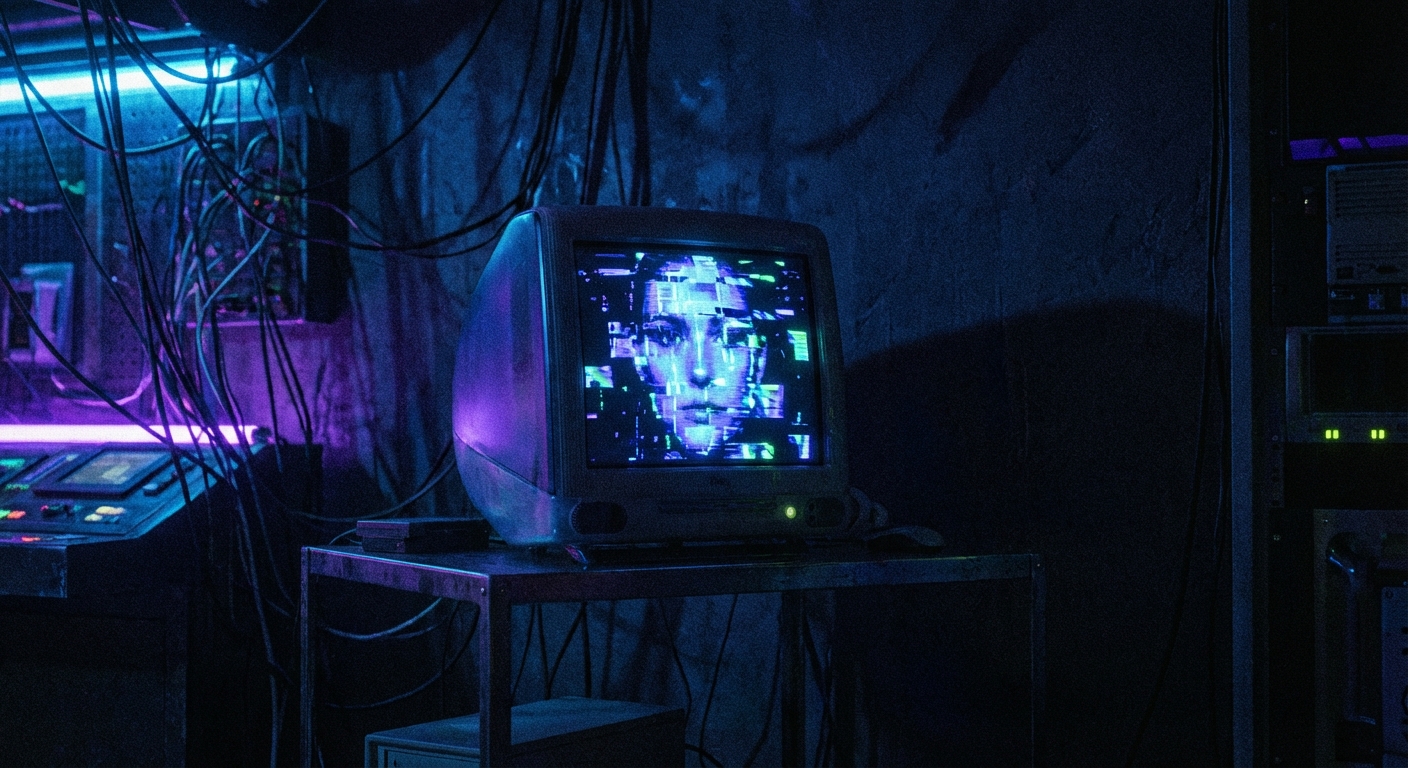
Rachel thought she was looking at a video of herself. The face was hers. The voice sounded close enough. But she was watching herself say things she had never said, in a room she had never been in, wearing clothes she did not own. Someone had used AI to generate a video of Rachel appearing to confess to stealing money from her employer, complete with tears and halting speech that looked convincingly real. The video was posted to TikTok, shared in a local AWDTSG Facebook group with a caption identifying her by full name, and uploaded to a throwaway YouTube channel. Within 36 hours, it had been viewed over 120,000 times across all three platforms. Rachel’s employer received an anonymous email with a link to the video. Her landlord saw it. Three friends called to ask if she was okay. The video was entirely fabricated. Every pixel was generated by artificial intelligence. But explaining that to the people who had already watched it was a different challenge than getting it removed.
This is the new frontier of online defamation. Deepfake technology, which uses artificial intelligence to create realistic video and audio of people saying and doing things they never actually said or did, has moved from the research lab into the consumer marketplace. What once required technical expertise and expensive computing resources can now be accomplished by anyone with a smartphone app and a few photos of the target. The weaponization of deepfakes for personal defamation, harassment, and revenge is no longer a hypothetical threat. It is a present-day reality that is growing faster than the legal and technical frameworks designed to address it.
The 2026 Deepfake-as-a-Service Explosion
The accessibility of deepfake creation tools has undergone a radical shift. In 2022, creating a convincing deepfake video required significant technical skill, access to AI training infrastructure, and dozens to hundreds of source images of the target. By early 2026, the barrier to entry has effectively collapsed.
Consumer-grade deepfake apps are now available on both iOS and Android app stores. Many operate on a freemium model: basic face-swapping is free, while more sophisticated full-body generation, voice cloning, and lip-sync capabilities are available for monthly subscription fees ranging from $10 to $50. Some of these apps market themselves for entertainment purposes, such as putting your face into movie scenes, but the same technology is trivially repurposed for creating defamatory content.
Beyond apps, “deepfake-as-a-service” platforms have emerged on the dark web and in gray-market online communities. For fees starting around $50, these services will create custom deepfake videos using source material provided by the customer. They advertise turnaround times of 24 to 48 hours and accept cryptocurrency payments. Some explicitly market their services for “revenge” or “exposure” purposes.
The quality of consumer deepfakes has improved dramatically. According to research published by the MIT Media Lab in late 2025, the detection rate for consumer-grade deepfakes by human observers has dropped to approximately 40%. That means more than half of all viewers cannot tell the difference between a real video and a consumer-grade AI-generated fake. Professional-grade deepfakes, created with more computational resources and refinement, fool human observers roughly 75% of the time.
The volume of deepfake content has followed the accessibility curve. Sensity AI, a deepfake detection company, estimated that there were approximately 500,000 deepfake videos circulating on major social media platforms at the end of 2025, up from roughly 50,000 in 2022. The organization projected that figure would exceed one million by mid-2026 at current growth rates. While the majority of deepfakes involve celebrities or public figures, an increasing percentage targets private individuals in contexts of personal revenge, dating disputes, and harassment.
How to Identify a Deepfake Video of Yourself
If someone sends you a video that appears to show you doing or saying something you never did, you may be the victim of a deepfake. While deepfake technology has improved dramatically, AI-generated videos can still contain subtle artifacts and inconsistencies that trained analysts can detect.
However, it’s important to understand that consumer-grade deepfakes now fool human observers more than 60% of the time. Simply watching the video closely is not a reliable way to determine whether it’s genuine or AI-generated. The technology has surpassed the point where untrained observation can be trusted.
For definitive analysis, professional deepfake detection services use advanced algorithmic analysis that examines video at a level of detail far beyond human perception. These assessments typically cost between $200 and $1,000 depending on the complexity of the analysis and provide formal documentation suitable for legal proceedings and platform removal requests. If you suspect a video is a deepfake, professional detection should be your first step, as it strengthens every subsequent action you take.
Every hour that post stays up, more people screenshot and share it. Our professional team removes AWDTSG and Facebook group posts every day. Get a free case review now.
Legal Options for Deepfake Defamation Victims
The legal landscape for deepfake defamation is evolving rapidly. As of early 2026, victims have multiple legal frameworks available, though their effectiveness varies by jurisdiction.
State Deepfake Laws
At least 45 states have enacted some form of legislation addressing deepfakes as of 2026. These laws vary significantly in scope and strength.
Deepfake-specific criminal statutes. States including California, Texas, New York, Virginia, and Georgia have enacted laws criminalizing deepfake creation and distribution under certain circumstances. Many initially targeted non-consensual intimate imagery but have been expanded to cover defamatory deepfakes more broadly.
Enhanced defamation statutes. Several states have amended defamation laws to specifically address AI-generated content, making deepfakes actionable even if a viewer could theoretically determine they were not real.
Harassment and cyberstalking statutes. Existing harassment laws in many states are broad enough to encompass deepfake creation, particularly when part of a pattern of targeted harassment, and carry criminal penalties that civil defamation statutes do not.
Federal Law
At the federal level, the DEEPFAKES Accountability Act has passed committee with bipartisan support, and the existing federal framework provides multiple legal tools for addressing deepfake defamation. The intersection of copyright law, fraud statutes, and cyberstalking provisions creates potential avenues for legal action, but leveraging them effectively requires expertise in how they apply specifically to AI-generated content.
The EU AI Act
The European Union’s AI Act requires AI-generated content to be clearly labeled, with penalties of up to 35 million euros for violations. U.S. residents may benefit from these protections when deepfake content appears on platforms operating in the EU, as those platforms must comply with the Act’s transparency requirements.
Why Platform Reporting Alone Isn’t Enough
Major social media platforms have implemented policies against deepfake and AI-generated content, but the gap between having a policy and effectively enforcing it remains significant. Each platform has different reporting mechanisms, different review processes, and different response timelines, and none of them are designed to handle the urgency that deepfake defamation demands.
Standard user reporting for deepfake content faces the same limitations as reporting for other forms of defamation: the reports go through general content moderation systems not equipped to make the specialized determinations required. Response times vary widely, and success rates for individual reports are inconsistent at best.
Professional removal services submit deepfake removal requests across all platforms simultaneously, using specialized approaches that produce faster and more reliable results than individual user reports. The difference in outcomes is particularly dramatic for deepfake content, where the speed and cross-platform coordination of the response directly determines how much damage is done.
You don’t have to wait for Facebook to act — they won’t. Professional removal works through legal compliance channels that get results. Talk to our team today — the consultation is free and confidential.
Professional Removal for Deepfake Defamation
Deepfake content poses unique challenges that make professional removal particularly valuable. The combination of cross-platform spread, algorithmic amplification, and the emotional impact on victims creates a situation where expert intervention produces dramatically better outcomes than self-guided efforts.
Detection and documentation. Professional services begin with comprehensive detection, identifying every instance of the deepfake content across all platforms. This includes the original upload, reposts by other users, screenshots and clips shared on secondary platforms, and search engine results that surface the content. They also coordinate formal deepfake detection analysis to produce documentation suitable for platform reports and legal proceedings.
Multi-platform coordination. Because deepfake content spreads faster than almost any other type of defamatory material, its viral characteristics make time-sensitive removal essential. Professional teams submit removal requests across all identified platforms simultaneously rather than sequentially. Emergency removal services are specifically designed for this type of rapid-response scenario, where hours of delay translate to thousands of additional views.
Legal escalation. When standard approaches don’t produce results quickly enough, professional services have multiple escalation paths available. The combination of specialized legal knowledge, platform relationships, and documented cases creates comprehensive pressure that produces results individual efforts cannot match.
Evidence preservation for legal proceedings. If you plan to pursue legal action against the deepfake creator, professional services ensure that evidence is preserved in a format admissible in court. Proper evidence preservation at the removal stage prevents the problem many victims encounter later, where the content has been removed from platforms but no admissible evidence of its existence was captured before removal.
Post-removal monitoring. Deepfake creators who are motivated enough to create fake video content are often motivated enough to create it again. Reputation monitoring provides ongoing surveillance across all platforms to detect new uploads within hours, triggering immediate follow-up removal before the content gains traction. In our experience, approximately 25% of deepfake cases involve attempts to repost similar content within 60 days of initial removal.
Protecting Yourself From Deepfake Attacks
You cannot completely prevent someone from creating a deepfake of you, but you can take steps to reduce your vulnerability and improve your ability to respond quickly if it happens. Reducing the amount of high-quality source material publicly available, maintaining a strong online presence, and having professional monitoring in place all contribute to a stronger defensive posture. Set up reputation monitoring through Tea App Green Flags to detect deepfake content quickly if it appears, so you can respond before it spreads widely.
Ready to take action? Our team has helped hundreds of people remove defamatory Facebook group posts and take back their reputation. As seen on Mashable, 404 Media, and InsideHook. Submit your case for a free review.
What to Do Immediately If You Discover a Deepfake of Yourself
If you’ve found a deepfake video depicting you in a defamatory or harmful way, here is your immediate action plan.
Preserve evidence first. Before anything else, download or screen-record the deepfake video from every platform where it appears. Screenshot view counts, comments, shares, and the uploader’s profile. Save direct URLs. This evidence may disappear if the creator takes the content down temporarily to avoid detection, and you need it for removal efforts and potential legal proceedings.
Do not engage publicly. Do not comment on the video. Do not post a response. Do not share the video to “expose” it as fake. Every form of public engagement with deepfake content amplifies its distribution through platform algorithms. Your response, however justified, keeps the content trending. Act through private channels, not public ones.
Contact a professional removal service immediately. The viral nature of deepfake content and its cross-platform spread make professional intervention particularly important. Emergency removal services can initiate multi-platform takedowns within hours of first contact, intervening during the critical window before the content reaches its maximum audience. Professional services handle all aspects of removal including platform reporting, detection documentation, and legal escalation.
Notify your employer and close contacts proactively. If the deepfake content could reach your employer, clients, or other professional contacts, consider getting ahead of it with a brief, factual notification. Saying “An AI-generated fake video of me is circulating and I’m taking legal action to have it removed” is far better than having your employer discover the video independently and draw their own conclusions.
The creation of a deepfake video of you is not just defamation. It is a violation of your identity. The legal and technical tools to address it are more robust now than they were even a year ago, and they continue to improve. But the window for effective action remains narrow. The faster you act, the less damage the content causes and the more options you preserve for both removal and legal accountability. Don’t let shock or embarrassment delay your response. Act now, and act through the right channels.
Contact our team for immediate assistance with deepfake content removal. We provide free, confidential initial assessments and can begin multi-platform removal within hours of engagement.
Dealing With Deepfake Defamation?
Get Emergency Help NowFrequently Asked Questions
How do I get a deepfake video of me removed from the internet?
Deepfake removal requires a coordinated, multi-platform approach that most individuals cannot execute effectively on their own. Contact Tea App Green Flags for emergency multi-platform removal, which can initiate takedowns within hours. Professional services coordinate simultaneous removal across TikTok, Facebook, Instagram, YouTube, and Google using specialized methods developed for AI-generated content.
Is creating a deepfake of someone illegal?
As of 2026, at least 45 states have enacted legislation addressing deepfakes, including criminal statutes in California, Texas, New York, Virginia, and Georgia. Federal proposals like the DEEPFAKES Accountability Act are advancing. Existing harassment, cyberstalking, and wire fraud statutes also apply. The legal framework is strengthening rapidly.
How can I tell if a video of me is a deepfake?
Consumer-grade deepfakes may have subtle visual or audio artifacts, but modern AI technology has improved to the point where most people cannot reliably distinguish deepfakes from real video. For definitive analysis, professional detection services cost $200-$1,000 and provide formal assessments suitable for legal proceedings and platform removal requests.
How fast do deepfake videos spread online?
Deepfakes can reach over 100,000 views within 36 hours across multiple platforms. The viral nature makes speed critical. Tea App Green Flags emergency removal services can initiate multi-platform takedowns within hours of first contact, intervening during the critical window before the content reaches its maximum audience.
Can I sue someone for making a deepfake of me?
Yes. Multiple legal theories may apply depending on your jurisdiction and circumstances. At least 45 states have enacted deepfake-specific legislation, and existing legal frameworks provide additional options. An attorney experienced in deepfake cases can evaluate which claims apply to your specific situation.
How much does deepfake removal cost?
Professional deepfake detection analysis costs $200-$1,000. Multi-platform removal through Tea App Green Flags addresses all instances simultaneously, including reposts on secondary platforms and Google search results. This is significantly more cost-effective than legal action alone, which can cost $15,000-$100,000+ over 12-24 months.
Will a deepfake come back after removal?
Approximately 25% of deepfake cases involve attempts to repost similar content within 60 days of initial removal. Tea App Green Flags provides post-removal reputation monitoring that detects new uploads within hours across all major platforms, triggering immediate follow-up removal before the content gains traction.
How do I protect myself from future deepfake attacks?
Restrict access to high-resolution photos showing your face from multiple angles on social media. Enable reverse image search monitoring. Maintain a strong online presence so deepfakes contradicting your identity are easier to debunk. Familiarize yourself with your state's deepfake laws and set up reputation monitoring through Tea App Green Flags.
Reputation Team
VerifiedContent reviewed by reputation management professionals with 5+ years of experience.
Related Articles

Employer Found a Tea App Post in Your Background Check?
Feb 7, 2026
False Domestic Violence Accusations Posted Online
Feb 7, 2026
Tea App Posts in Your Custody Case: What You Must Know
Feb 7, 2026