Section 230 Explained: What It Means for Defamation Victims in 2026
Section 230 protects platforms but not posters. Learn how this law affects your defamation case, its limits, recent reforms, and strategies to work around it.

The digital landscape is fraught with complexities, especially when it comes to defamation. Imagine waking up to find your reputation tarnished by false claims on social media. As you grapple with the fallout, you stumble upon “Section 230 of the Communications Decency Act” — a term that seems both daunting and pivotal. According to the Pew Research Center, nearly 41% of Americans have experienced some form of online harassment, underscoring the vital need to understand this legislation. But what does Section 230 really mean for defamation victims as we move into 2026?
Understanding Section 230: The Backbone of the Internet
Section 230 of the Communications Decency Act (CDA) has been a cornerstone of internet law since its inception in 1996. The statute essentially states that online platforms are not liable for content posted by their users. This legal protection allows companies like Facebook, Reddit, and Twitter to host vast amounts of user-generated content without fear of being sued for what their users say or do. However, this immunity has significant implications for individuals seeking to address defamation.
The Critical Components of Section 230
- Platform vs. Publisher Distinction: Section 230 differentiates between the entity that hosts content and the creator of that content. Platforms are not considered the “publisher” of each piece of content — a role that would traditionally incur liability.
- Good Samaritan Provision: This clause incentivizes platforms to moderate content without the risk of incurring liability, as long as their actions are made in good faith.
Why Section 230 Exists
The legislation was designed to protect free speech online while promoting innovation. By shielding platforms from incessant lawsuits, Section 230 has allowed the internet to flourish as a forum for open communication. Yet, as beneficial as this has been for free expression, it presents real challenges for defamation victims seeking justice.
The Impact on Defamation Cases: A Double-Edged Sword
The Challenges Faced by Defamation Victims
For victims of defamation, Section 230 can feel like an insurmountable barrier. Since platforms are immune from liability, victims must direct their legal efforts towards the individuals who made the defamatory statements. This often involves:
- Identifying anonymous users, which can be both complex and costly.
- Gathering evidence to prove falsity and harm, essential components of a defamation claim.
- Navigating jurisdictional issues if the defamer is located in a different state or country.
Real-Life Scenario: Emily’s Struggle
Consider Emily, a small business owner who finds a slew of harmful reviews about her business on a popular review site. The reviews are blatantly false, and Emily’s sales plummet. Because of Section 230, her only legal recourse is to identify and sue the anonymous reviewers themselves — a daunting, expensive, and often fruitless task.
Courts and Section 230: Key Case Law
Several landmark cases have shaped the interpretation of Section 230:
- Zeran v. America Online, Inc. (1997): Established that service providers are not liable for user-posted content, reinforcing the broad protections of Section 230.
- Doe v. MySpace, Inc. (2008): Highlighted the immunity platforms enjoy even when their tools are used to facilitate harmful interactions.
- Gonzalez v. Google LLC (2023): Explored algorithmic recommendations but reaffirmed the protection of platforms under Section 230.
Reforms in 2026: Navigating the New Landscape
Recent Changes to Section 230
As we enter 2026, targeted reforms have been introduced to strike a balance between maintaining the free, open nature of the internet and protecting individuals from harm. Some of these changes include:
- Increased Accountability for Algorithms: Platforms can face liability if their algorithms promote defamatory content actively.
- Enhanced Transparency Requirements: Platforms must now provide clearer reporting and resolution mechanisms for defamation claims.
- Conditional Immunity: Section 230 protections might be revoked if a platform consistently fails to address illegal or defamatory content.
How Reforms Affect Defamation Victims
These reforms offer new avenues for defamation victims to pursue justice. For instance, if a platform’s algorithm has elevated defamatory content, victims might now have grounds to include the platform in their legal actions. Additionally, enhanced transparency requirements mean platforms must be more responsive to defamation complaints, potentially leading to faster resolutions.
Strategies for Defamation Victims to Work Around Section 230
Identifying the Defamer
One of the first steps in tackling defamation is identifying the party responsible:
- Subpoenas: Request user information from the platform. However, platforms often resist releasing user data, necessitating a court order.
- Digital Forensics: Hire a professional to trace back IP addresses and digital footprints.
- Public Records: Occasionally, defamatory statements can be linked to identifiable business or personal profiles.
Utilizing Platform Policies
Understanding and utilizing a platform’s own policies can be an effective strategy:
- Flag and Report: Use reporting tools to alert platforms about defamatory content. According to Facebook’s Community Standards, they have mechanisms to evaluate and possibly remove content that violates their guidelines.
- Take Advantage of Moderation: Some platforms, especially smaller forums and niche sites, may be more willing to act if you can present a compelling case.
Legal Options and Cease and Desist Letters
-
Cease and Desist Letters: A formal letter can serve as a legal warning to the defamer, potentially stopping the behavior without going to court. Learn more about cease and desist for social media.
-
Litigation: While challenging, pursuing a lawsuit against the individual responsible can sometimes lead to a settlement or retraction.
⚠️ Facing online defamation can be overwhelming. It’s crucial to take immediate action to protect your reputation. Start your free consultation today.
The Role of Professional Services in Defamation Removal
Why Consider Professional Help?
Given the complexities and potential costs associated with defamation cases, seeking professional assistance can be invaluable:
- Expertise in Online Defamation: Professionals understand the nuances of various platforms and legal requirements.
- Efficient Resolution: They often have established channels and contacts within platforms to expedite the removal process.
Services Provided by Tea App Green Flags
At Tea App Green Flags, we offer a comprehensive range of services to assist you in managing and removing defamatory content. Whether you need assistance with Reddit defamation removal or TeaOnHer post removal, our team is equipped to handle your needs with discretion and efficiency.
Emotional Distress and Support Resources
The emotional toll of being defamed online can be significant. Victims might experience anxiety, depression, or other mental health challenges. It’s crucial to recognize these feelings and seek support. The 988 Suicide & Crisis Lifeline is available for those in need of immediate help.
Coping Mechanisms
- Reach Out: Talk to trusted friends or family members about your experiences.
- Professional Counseling: Therapists specializing in digital harassment can offer valuable strategies for coping and healing.
- Support Groups: Connecting with others who have faced similar issues can provide solidarity and guidance.
Future Outlook: What Lies Ahead for Section 230
As the digital world continues to evolve, so too will the legal frameworks that govern it. While Section 230 remains a pivotal law, ongoing debates and potential future reforms could further reshape the landscape for defamation victims.
Predictions for Legislative Changes
- Greater Emphasis on Responsibility: Continued pressure for platforms to take more responsibility for user content.
- Potential New Categories of Liability: Emerging technologies may require new legal definitions and responsibilities.
How to Stay Informed
Keeping abreast of legislative changes is critical. Subscribing to legal newsletters, following credible journalism outlets, and consulting with legal professionals can ensure you’re informed about how shifts might impact your rights and options.
Disclaimer: Tea App Green Flags is not a law firm and does not provide legal advice. The information on this page is for general informational purposes only and should not be construed as legal counsel. Tea App Green Flags provides professional defamation removal and reputation management consultation services. For legal advice regarding your specific situation, please consult a licensed attorney in your jurisdiction. Results vary by case; removal timelines are estimates and not guarantees.
Need Legal Help With Online Defamation?
Get Professional Help NowLegal Team
VerifiedContent reviewed by reputation management professionals with 5+ years of experience.
Related Articles
Your Child Was Posted on Tea App: A Parent's Guide
Feb 6, 2026
AWDTSG Lawsuits and Anti-SLAPP: What Victims Should Know
Feb 6, 2026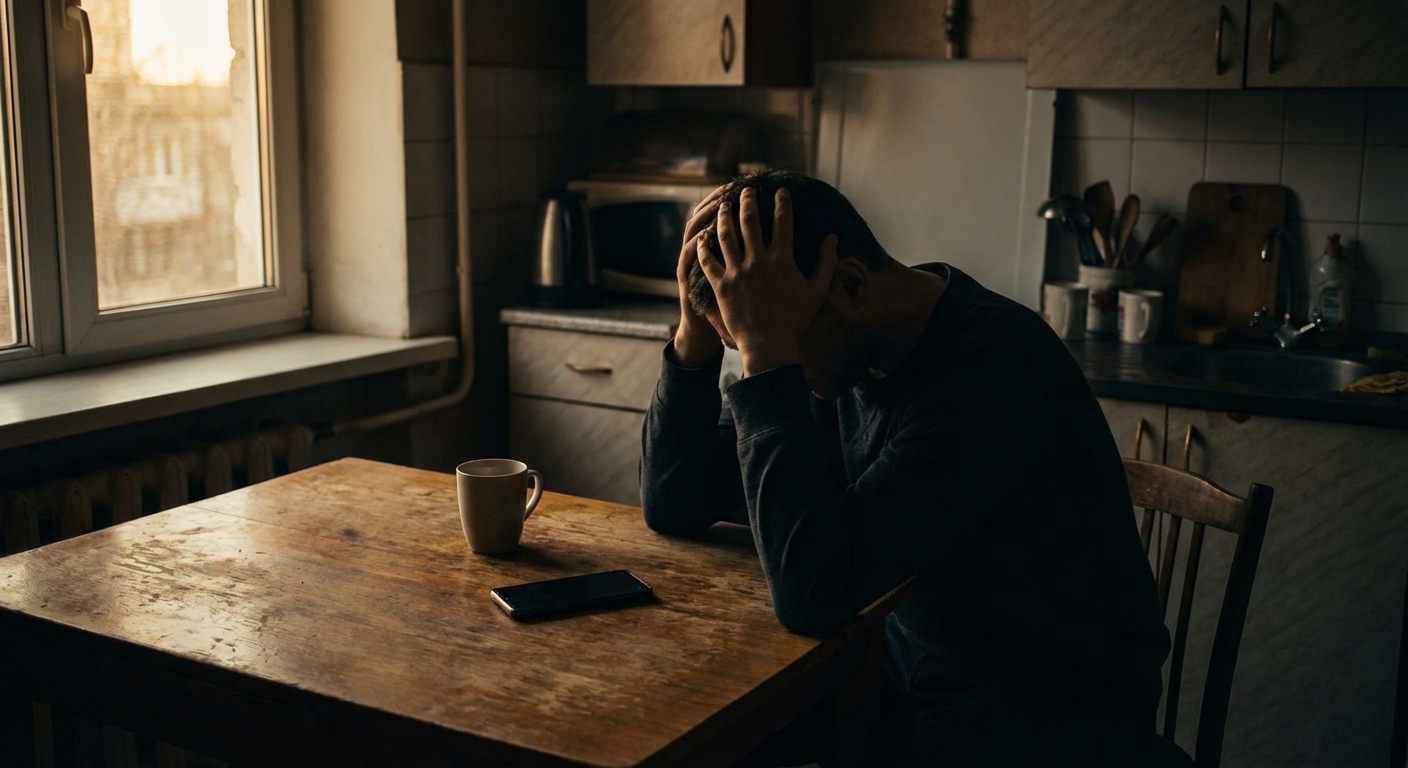
False STD Accusations Posted Online? Your Legal Options
Feb 6, 2026