
How to Remove a Defamatory TikTok Video About You
Step-by-step guide to removing defamatory TikTok videos. Learn TikTok's reporting process, [DMCA](https://www.law.cornell.edu/uscode/text/17/512) takedowns, legal options, and when to get professional help.
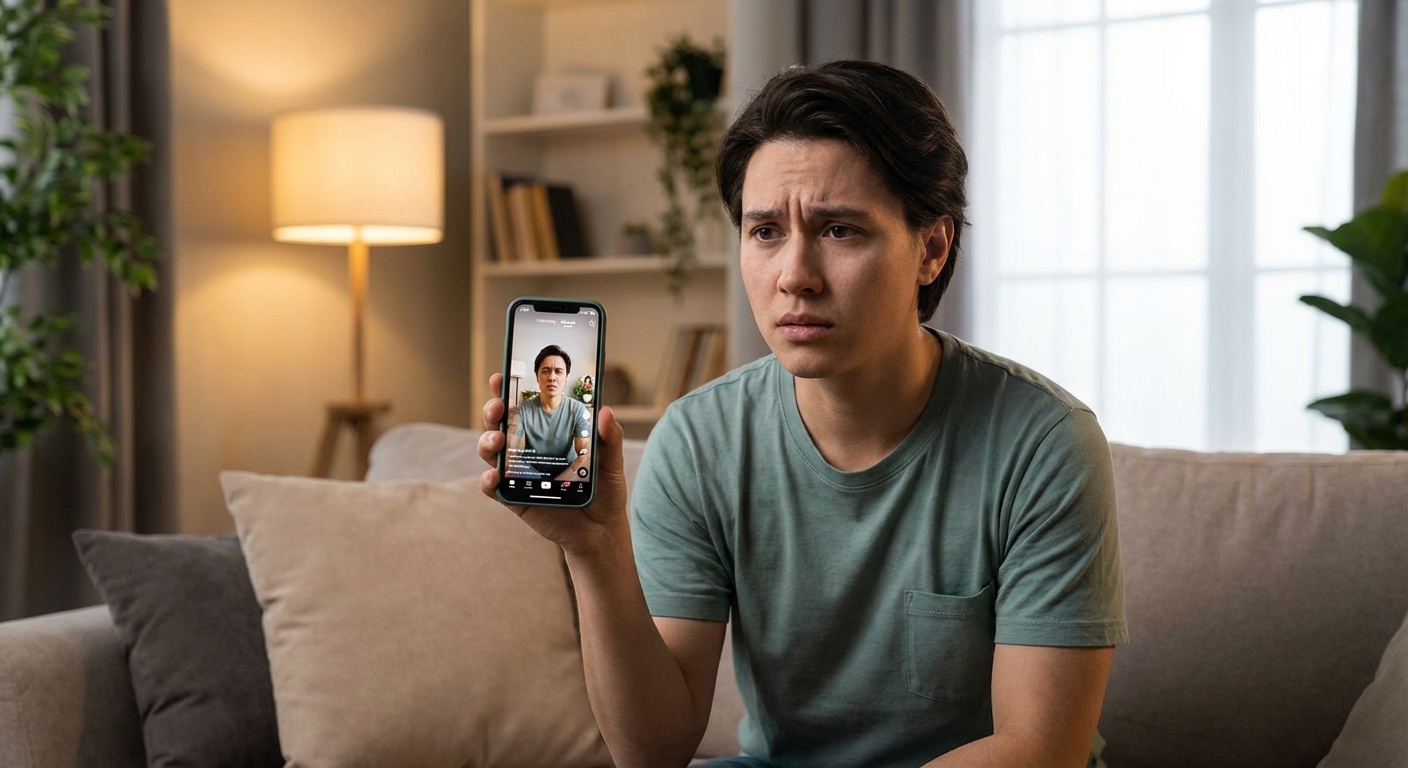
Jenna found out about the TikTok on a Saturday morning. A friend texted her a link with no context other than “you should see this.” The video was 47 seconds long. A woman Jenna recognized as her ex-boyfriend’s new girlfriend was sitting in her car, speaking directly into the camera, claiming Jenna had stalked her ex for months after their breakup, shown up uninvited at his apartment, and sent threatening messages to his family. The video used Jenna’s first and last name. Her employer was mentioned. A screenshot of her Instagram profile was stitched into the video. At the time Jenna saw it, the video had 38,000 views and 1,400 comments, many of them tagging friends and sharing the clip. None of the claims in the video were true. Jenna hadn’t contacted her ex in over six months, but in the time it took her to process what she was watching, another 2,000 people had already seen it.
TikTok defamation is a uniquely destructive form of online harassment — a widespread problem that Pew Research Center found affects 41% of Americans. Unlike a text post buried in a private Facebook group or a pseudonymous review on a niche platform, a TikTok video puts a face, a voice, and a narrative together in a format that the algorithm is specifically designed to amplify. All AWDTSG posts fall under Facebook’s Community Standards, including their Bullying and Harassment Policy. A defamatory blog post might get a few hundred views over months. A defamatory TikTok can reach hundreds of thousands of people in a single afternoon.
Why TikTok’s Algorithm Makes Defamation Go Viral
Understanding how TikTok distributes content is essential to understanding why defamatory videos spread so fast and why removing them quickly matters more than on any other platform.
TikTok’s recommendation algorithm does not rely on followers. Unlike Instagram or YouTube, where reach is largely determined by how many people follow an account, TikTok’s For You Page serves content to users based on engagement patterns, not creator popularity. A brand-new account with zero followers can post a video that reaches a million people if the algorithm detects strong engagement signals in the first hour.
Defamatory content generates exactly the kind of engagement TikTok’s algorithm rewards. Drama, conflict, and strong emotional reactions drive comments, shares, saves, and rewatches. All of these signals tell the algorithm to push the video to more people. A video accusing someone of being a stalker, abuser, or cheater triggers outrage, which triggers commenting, which triggers further distribution. The algorithm doesn’t evaluate whether the content is true. It evaluates whether people are engaging, and defamatory content generates enormous engagement.
The virality timeline matters enormously. Research from the Digital Forensic Research Lab found that TikTok videos reach approximately 75% of their total lifetime views within the first 48 hours of posting. If a defamatory video is not addressed within the first two days, the bulk of its damage has already been done, though the video continues accumulating views at a slower rate indefinitely.
Why TikTok’s Built-In Reporting Fails for Defamation
TikTok provides a reporting mechanism within the app, but it frequently fails for defamation cases. The problem is structural. TikTok’s moderation team evaluates reports against the platform’s community guidelines, not against defamation law. A video can be clearly defamatory in the legal sense, containing provably false statements of fact that damage someone’s reputation, while simultaneously not violating TikTok’s community guidelines in the eyes of a content moderator trained to look for explicit threats, hate speech, or graphic content.
In our experience handling TikTok defamation cases, the standard in-app reporting process results in removal approximately 15-20% of the time. For a straightforward defamatory narrative, the standard reporting path is unreliable. Appeals after a rejected report are rarely productive, with fewer than 10% of rejected defamation reports overturned on appeal. This is why professional intervention produces dramatically different outcomes.
Every hour that post stays up, more people screenshot and share it. Our professional team removes AWDTSG and Facebook group posts every day. Get a free case review now.
Why DIY Legal Approaches Often Backfire on TikTok
Many victims of TikTok defamation attempt various legal and platform-based approaches on their own. While these options exist in theory, they frequently fail or even make the situation worse in practice.
The gap between standard reporting and effective removal is enormous. Standard platform tools were not designed for defamation disputes, and the legal mechanisms available to individuals are complex, slow, and carry risks specific to TikTok’s unique culture. Some approaches that work on other platforms can actually amplify the problem on TikTok, where any form of confrontation can generate a second wave of viral engagement that is even more damaging than the original video.
This is why professional removal services evaluate every available mechanism for each case and determine the optimal approach based on the specific circumstances. The right strategy depends on factors that require professional judgment, including the creator’s profile, audience dynamics, the nature of the content, and which combination of legal and platform-based approaches will produce results without creating additional exposure.
When to Pursue Legal Action Against a TikTok Defamer
Full legal action, meaning a defamation lawsuit filed in court, becomes the appropriate choice when other avenues have failed and the stakes are high enough to justify the investment. Here is a realistic assessment of what TikTok defamation litigation looks like.
Filing a defamation lawsuit over a TikTok video requires establishing the same four elements as any defamation case: a false statement of fact (not opinion), publication to a third party (the TikTok audience), fault (at minimum negligence, or actual malice if you’re a public figure), and damages (harm to your reputation, career, emotional wellbeing, or finances). TikTok’s video format can actually help plaintiffs because the creator’s statements are recorded verbatim, eliminating disputes about what was actually said. There’s no ambiguity when the defamatory claim is on video with the creator’s face attached.
Costs follow the same general range as other online defamation cases: $15,000 to $75,000 for cases that settle, potentially exceeding $100,000 for cases that go to trial. Timelines run 8 to 24 months, and during that entire period, the video may remain online unless you obtain a preliminary injunction.
The strongest candidates for TikTok defamation lawsuits are cases where the creator is identifiable, the false claims are specific and provable, the damages are substantial and documented (job loss, business damage, quantifiable emotional distress), and the video has reached a large audience. If you’re struggling, resources like the 988 Suicide & Crisis Lifeline (call or text 988) provide free, confidential support. If you’re struggling, resources like the 988 Suicide & Crisis Lifeline (call or text 988) provide free, confidential support. If your situation checks those boxes, consult with a defamation attorney for a case-specific evaluation.
You don’t have to wait for Facebook to act — they won’t. Professional removal works through legal compliance channels that get results. Talk to our team today — the consultation is free and confidential.
Professional Intervention: What Experts Do Differently
Professional content removal services approach TikTok defamation differently than individual users trying to navigate the platform’s reporting system. The distinction matters because it’s the difference between a 15-20% success rate and an 85-proven track record.
Specialized expertise. Professional services have developed approaches through years of handling TikTok defamation cases that produce dramatically higher removal rates than anything available to individual users. The methods, relationships, and knowledge our team brings to each case cannot be replicated through DIY research or general-practice attorneys unfamiliar with platform-specific dynamics.
Comprehensive approach. A defamatory TikTok video doesn’t exist in isolation. By the time most people seek help, the video has been stitched, dueted, or screen-recorded by other users. Screenshots of comments have been shared to Instagram and Twitter. The original creator may have posted follow-up videos. Comprehensive removal services identify and address all instances of the defamatory content across every platform where it has appeared, not just the original video.
Rapid response timelines. TikTok’s algorithm front-loads views in the first 48 hours. Professional services that specialize in emergency content removal operate on expedited timelines specifically designed to intervene during that critical window. When a defamatory video is gaining traction, every hour matters, and professional teams can initiate removal processes within hours of first contact rather than the days or weeks it takes to figure out the process independently.
Post-removal monitoring. Removing the original video doesn’t guarantee the creator won’t post again. In approximately 30% of our TikTok defamation cases, the creator attempted to repost similar content within 30 days of the original removal. Reputation monitoring services detect reposts across all platforms within hours of publication, triggering immediate follow-up removal action before the new content gains significant traction.
The Cross-Platform Contamination Problem
TikTok defamation rarely stays on TikTok. The platform’s design encourages content migration, and defamatory videos follow predictable patterns of cross-platform spread.
Content commonly migrates to Instagram Reels, YouTube Shorts, and “Are We Dating the Same Guy” Facebook groups. Defamatory claims made in a TikTok video often appear simultaneously on Tea App, where anonymous posting makes content harder to attribute. Google indexes TikTok videos and surfaces them in name searches, meaning cached versions can persist in search results for weeks even after the original video is removed.
Each platform has different policies, requirements, and removal dynamics, which is why professional services that operate across the full digital landscape produce better outcomes than platform-by-platform DIY attempts.
Ready to take action? Our team has helped hundreds of people remove defamatory Facebook group posts and take back their reputation. As seen on Mashable, 404 Media, and InsideHook. Submit your case for a free review.
What to Do Right Now If You’ve Found a Defamatory TikTok
If you’re reading this because someone has already posted a defamatory TikTok video about you, here is what you should do immediately.
First, document everything. Screen-record the video (not just a screenshot; capture the full video with audio). Screenshot the comment section. Record the view count, like count, share count, and number of comments. Screenshot the creator’s profile page. Save the direct URL to the video. Do all of this before the creator has a chance to delete and repost, which could complicate your evidence chain.
Second, assess how far the content has spread. Has it been shared to other platforms? Is it showing up in Google results for your name? Understanding the full scope of the problem is essential for an effective response.
Third, contact a professional removal service, especially if the video has significant reach (over 5,000 views), contains clearly false factual claims, or is spreading to other platforms. The 48-hour algorithm window on TikTok means time is genuinely critical. Emergency removal services are designed for exactly this kind of time-sensitive situation, where every hour of delay means thousands more people seeing false claims about you.
Do not comment on the video. Do not post a response video. Do not contact the creator directly through TikTok, text, or any other channel. Every one of these actions generates engagement that the algorithm interprets as a signal to push the video to more people. Your response, however justified, becomes fuel for further distribution.
The instinct to defend yourself publicly is understandable. The reality is that public responses on TikTok almost always make the situation worse. Private, strategic action through proper channels gets the content down. Public engagement keeps it trending. Choose the approach that actually solves the problem, even when it feels counterintuitive.
Contact our team for a free, confidential assessment of your situation. We’ll evaluate the video, identify every platform where it’s appeared, and provide a realistic timeline and strategy for comprehensive removal. The sooner you act, the more damage you prevent.
Need Help Removing Defamatory Content?
Get Professional Removal HelpFrequently Asked Questions
How do I remove a defamatory TikTok video about me?
TikTok's standard in-app reporting has only a 15-20% success rate for defamation cases because the platform evaluates community guidelines, not legal claims. For the most reliable results, professional removal services like Tea App Green Flags use specialized approaches that achieve an 85-proven track record, leveraging expertise that individual users simply don't have access to.
How fast can a defamatory TikTok video be taken down?
TikTok's standard in-app reporting takes 24-72 hours for review but usually fails for defamation. Professional removal through Tea App Green Flags can begin within hours and achieve removal during the critical first 48-hour window when 75% of a TikTok video's lifetime views occur. Emergency removal is available for rapidly spreading content.
Can I sue someone for making a defamatory TikTok video about me?
Yes. A defamation lawsuit requires proving a false statement of fact, publication to a third party, fault, and damages. TikTok's video format actually helps plaintiffs because the defamatory statements are recorded verbatim on camera. Costs range from $15,000-$75,000 for cases that settle, potentially exceeding $100,000 for trial. Contact Tea App Green Flags for attorney referrals.
Should I try to handle a defamatory TikTok on my own?
DIY approaches carry significant risks on TikTok, where public responses and certain legal tactics can actually backfire and generate additional viral engagement. The platform's unique culture and algorithm make strategic missteps particularly costly. Tea App Green Flags can evaluate your specific situation and determine the best approach to achieve removal without creating additional exposure.
Why do defamatory TikTok videos go viral so fast?
TikTok's algorithm distributes content based on engagement signals, not follower count. Defamatory content generates exactly the engagement the algorithm rewards: outrage, comments, shares, and rewatches. A video from an account with zero followers can reach hundreds of thousands of people if it triggers strong engagement in the first hour. This is why Tea App Green Flags emergency removal focuses on intervening within the critical 48-hour window.
What if a defamatory TikTok video has been shared on other platforms?
Defamatory TikTok content commonly migrates to Instagram Reels, YouTube Shorts, Facebook AWDTSG groups, Tea App, and Twitter/X. Each platform has different policies and requirements, making cross-platform removal extremely complex for individuals. Tea App Green Flags provides comprehensive cross-platform removal, addressing the original TikTok video and all copies simultaneously to prevent the whack-a-mole problem of single-platform efforts.
Will the TikTok creator repost after a video is removed?
Approximately 30% of TikTok creators attempt to repost similar content within 30 days of removal. Tea App Green Flags reputation monitoring services detect reposts across all platforms within hours of publication, triggering immediate follow-up removal action before the new content gains significant traction.
Should I respond to a defamatory TikTok video with my own video?
No. Public responses on TikTok almost always make the situation worse. Every comment, duet, or response video generates engagement that TikTok's algorithm interprets as a signal to push the original video to more people. Private, strategic action through proper channels is far more effective. Tea App Green Flags handles removal through legal and compliance channels without generating additional visibility.
Reputation Team
VerifiedContent reviewed by reputation management professionals with 5+ years of experience.
Related Articles

Someone Posted About Me on Tea App — What Should I Do First?
Feb 6, 2026
Tea App Green Flags: Complete Guide to Building Trust and Reputation
Jul 27, 2025
Tea App Green Flags: Complete Guide to Building Trust and Reputation
Jul 23, 2025