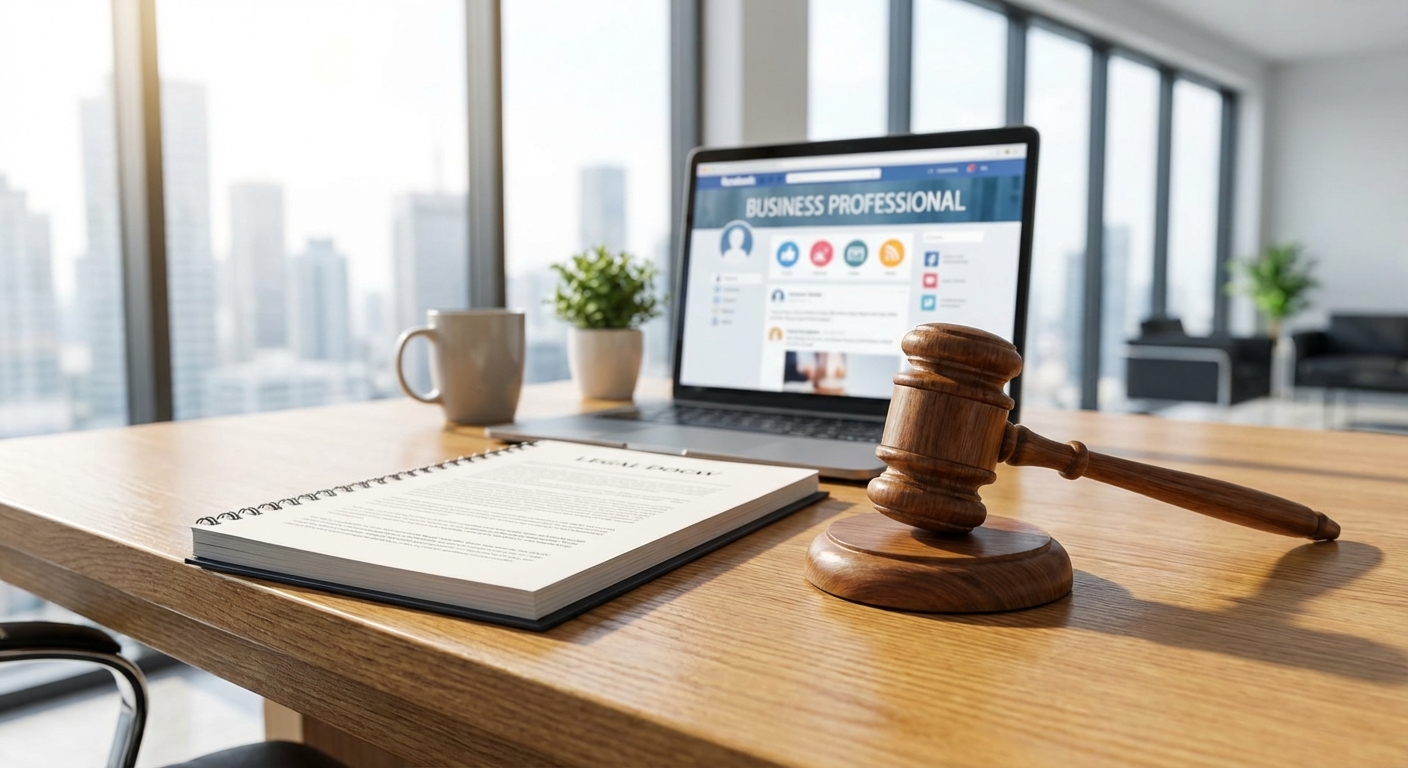
Public vs. Private Defamation: Legal Differences Explained
Understand the legal differences between public and private defamation cases and their implications.

Navigating the murky waters of defamation law can feel overwhelming, especially when the stakes are high, and reputations are on the line. Consider the case of Sarah, a small business owner whose bakery was thriving until a disgruntled former employee, Mark, took to social media to accuse her of using expired ingredients. The false claims quickly went viral, significantly damaging her business. Sarah’s situation exemplifies how defamation, whether public or private, can have severe consequences. Understanding the legal distinctions between public and private defamation is crucial for anyone who finds themselves in a similar predicament.
Understanding Defamation: A Brief Overview
Defamation involves making false statements that harm someone’s reputation. It is categorized into two main types: libel (written defamation) and slander (spoken defamation). The legal landscape of defamation is complex, varying significantly between jurisdictions. However, a common thread across the board is the need for the plaintiff to prove that the statement was false, damaging, and made without adequate research into its truthfulness.
Key Elements of Defamation
To successfully claim defamation, several elements must typically be proven:
-
False Statement: The core of defamation is that the statement made must be false. Truthful statements, regardless of their impact, do not constitute defamation.
-
Publication: The statement must be published, meaning it was communicated to at least one person other than the subject.
-
Injury: The statement must have caused harm, typically to the subject’s reputation.
-
Fault: The degree of fault depends on whether the subject is a public or private figure, which we’ll explore in depth shortly.
Real-World Impact
Consider the case of Alex, a private individual, who was falsely accused of having a contagious disease on a popular local forum. This kind of accusation not only impacted Alex’s personal life but also led to a significant drop in his social interactions. Understanding the nuances of defamation law can empower individuals like Alex to seek justice and restore their reputations.
Public vs. Private Figures: Defining the Difference
In defamation lawsuits, one of the critical distinctions is whether the subject is considered a public or private figure. This classification significantly impacts the burden of proof and potential defenses available to the accused.
Public Figures
Public figures, such as celebrities, politicians, or other individuals who have gained notoriety, generally have a harder time proving defamation. According to the landmark case New York Times Co. v. Sullivan, public figures must demonstrate “actual malice,” meaning that the false statement was made with knowledge of its falsity or with reckless disregard for the truth.
Private Figures
Private figures, on the other hand, are typically individuals who have not sought out the public eye. The bar for proving defamation for private figures is lower; they only need to prove that the statement was made negligently rather than maliciously. This distinction acknowledges that private individuals have not voluntarily exposed themselves to public scrutiny and thus deserve more protection.
Case Study: Public vs. Private
Imagine a scenario involving Lisa, a well-known actress, and her neighbor Tom, an average citizen. If a tabloid falsely accuses Lisa of tax evasion, she must prove that the publisher acted with actual malice. Conversely, if Tom is falsely accused of the same by a local blogger, he would only need to demonstrate negligence. This difference underscores the legal protection afforded to private individuals.
Legal Challenges in Public Defamation Cases
Public defamation cases often involve complex legal challenges due to the higher burden of proof and the nature of public discourse.
Proving Actual Malice
Proving actual malice requires substantial evidence, often making these cases difficult to win. Public figures must gather concrete proof that the defendant acted with reckless disregard for the truth. This might involve uncovering internal communications, such as emails or text messages, that demonstrate the defendant’s awareness of the statement’s falsity.
Defenses in Public Defamation
Defamation defenses in public cases can include:
- Truth: If a statement is true, it is a complete defense against defamation.
- Opinion: Statements that are clearly opinion rather than fact are typically protected.
- Privilege: Some statements, such as those made in court, enjoy absolute privilege.
The Role of Media
Media outlets often find themselves embroiled in public defamation cases. The Pew Research Center highlights the increasing scrutiny media faces in the digital age, where information spreads rapidly. The balance between free speech and protecting individual reputations remains a delicate one, often navigated through the court system.
Navigating Private Defamation: Easier, Yet Complex
While the burden of proof is lower in private defamation cases, challenges remain. Private individuals must still demonstrate negligence, which requires showing the defendant failed to exercise reasonable care in verifying the truth of the statement.
Evidence Gathering
In private defamation cases, evidence gathering is crucial. Plaintiffs should collect any documentation that demonstrates the falsehood of the statements, such as:
- Emails or text messages from the defamer.
- Witness testimonies supporting the plaintiff’s case.
- Expert reports that reinforce the plaintiff’s claim.
Legal Protections and Remedies
Private individuals often have access to various legal remedies, including:
- Injunctions to prevent further dissemination of the defamatory statement.
- Monetary damages to compensate for reputational harm.
The goal in these cases is to restore the plaintiff’s reputation and provide financial restitution for any losses incurred.
The Digital Age: Defamation in Social Media and Online Platforms
Social media has dramatically changed the landscape of defamation, providing a platform for both public and private defamation to occur at an unprecedented scale.
Social Media’s Role
Platforms like Facebook and Instagram are breeding grounds for defamation due to the ease of posting and sharing information. According to Facebook’s Community Standards, the platform actively works to remove harmful content, but the sheer volume of posts makes this a significant challenge.
Legal Implications
Online defamation can spread faster and further than traditional forms, complicating legal recourse. For instance, Emily, a college student, found herself the subject of a viral defamatory post on Instagram, falsely accusing her of academic dishonesty. Although the post was eventually removed, the damage to her reputation was substantial.
⚠️ Have you been defamed online? Don’t wait for the situation to worsen. Start your free consultation today.
Strategies for Online Defamation Cases
For victims of online defamation, taking swift action is essential:
- Document Everything: Capture screenshots and record timestamps of defamatory posts.
- Report and Request Removal: Use platform tools to report defamation and request post removal.
- Consult Professionals: Engage with services like Tea App Green Flags for expert removal assistance.
Legal Assistance and Resources
Seeking legal assistance can make a significant difference in both public and private defamation cases. Lawyers specializing in defamation can provide guidance on the best course of action.
Choosing the Right Legal Representation
When selecting an attorney, consider their:
- Experience with defamation cases.
- Understanding of digital platforms and technology.
- Track record of successful outcomes.
Additional Resources
For those dealing with emotional distress related to defamation, support is available through resources like the 988 Suicide & Crisis Lifeline.
Protecting Your Reputation: Proactive Steps
While defamation can be damaging, there are proactive steps you can take to protect your reputation.
Online Reputation Management
Engage in regular reputation monitoring services to stay informed about your online presence. Early detection of potential defamation allows for swift action.
Building a Positive Online Presence
Create a strong, positive digital footprint through:
- Regularly updating social media profiles with achievements and positive news.
- Engaging with professional networks and sharing industry insights.
By actively managing your online reputation, you can mitigate the effects of defamation and build resilience against future attacks.
Disclaimer: Tea App Green Flags is not a law firm and does not provide legal advice. The information on this page is for general informational purposes only and should not be construed as legal counsel. Tea App Green Flags provides professional defamation removal and reputation management consultation services. For legal advice regarding your specific situation, please consult a licensed attorney in your jurisdiction. Results vary by case; removal timelines are estimates and not guarantees.
Distinguish Public and Private Defamation
Get Professional Help NowLegal Team
VerifiedContent reviewed by reputation management professionals with 5+ years of experience.
Related Articles

Your Child Was Posted on Tea App: A Parent's Guide
Feb 6, 2026
AWDTSG Lawsuits and Anti-SLAPP: What Victims Should Know
Feb 6, 2026
False STD Accusations Posted Online? Your Legal Options
Feb 6, 2026