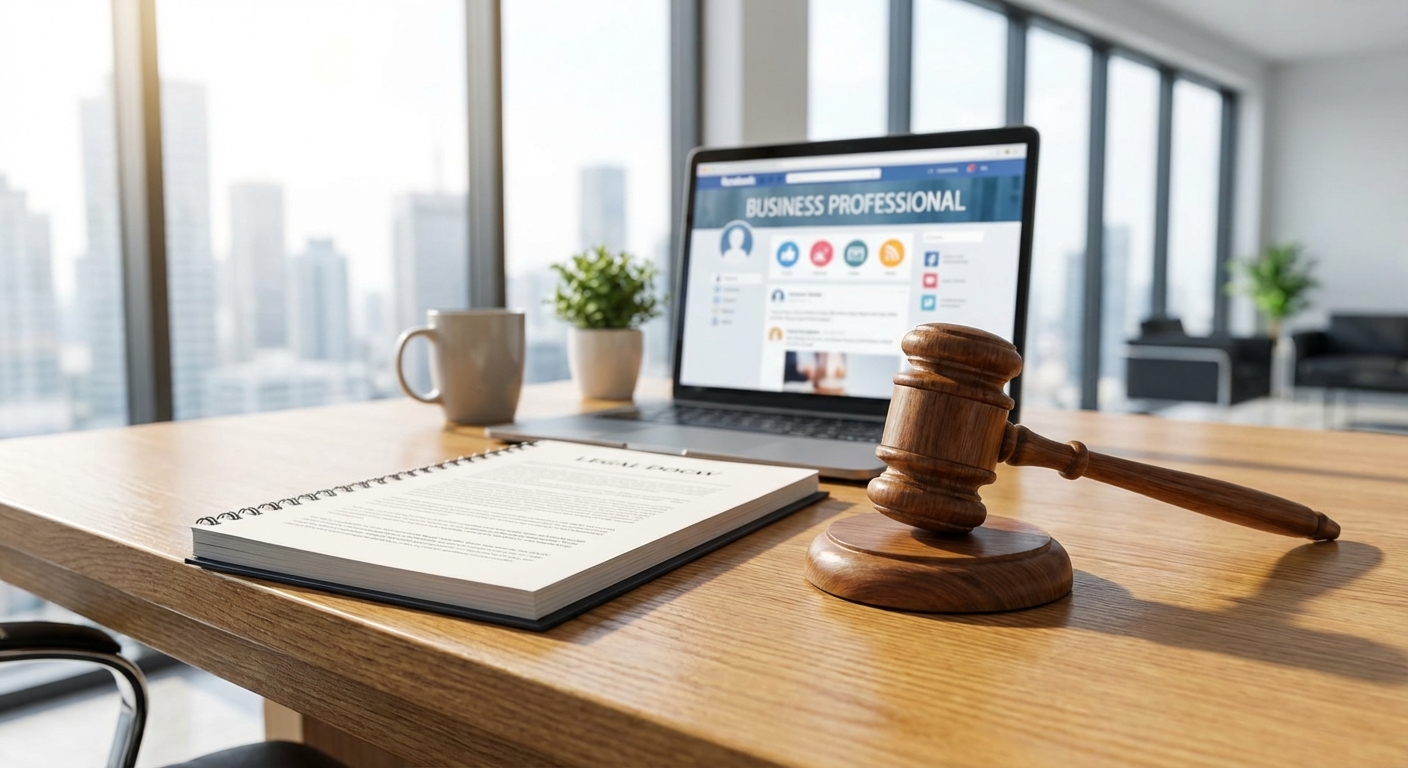
DMCA Takedown for Photos Used Without Consent: Complete Guide
Your photos used without permission online? The DMCA gives you powerful takedown rights. Learn how to file, what to include, and platform-specific processes.

In today’s digital age, sharing photos online has become second nature to many, with platforms like social media making it easier than ever to distribute images to a wide audience. However, with this convenience comes the risk of your photos being used without your consent. Imagine this: you’re scrolling through your social media feed and stumble upon a photo of yourself, taken during a private moment, now plastered across the internet without your permission. This isn’t just an invasion of privacy; it’s potentially a violation of your rights. Fortunately, the Digital Millennium Copyright Act (DMCA) provides a powerful tool to help you reclaim control over your images. Here is a comprehensive guide on how to effectively use the DMCA to take down photos used without your consent.
Understanding the DMCA: A Brief Overview
The Digital Millennium Copyright Act, enacted in 1998, is designed to protect copyright holders in the digital realm. It gives creators the ability to control how their work is used online and provides a legal avenue to remove infringing content. The DMCA specifically targets unauthorized use of copyrighted materials, which includes photos, and requires online platforms to comply with takedown requests if they wish to maintain their liability shield under the law.
Key Components of the DMCA:
- Safe Harbor Provision: This protects online service providers from being held liable for copyright infringement by their users, provided they act rapidly to remove infringing content once notified.
- Takedown Notices: The mechanism through which copyright holders can request the removal of infringing content.
Who Can File a DMCA Takedown?
To file a DMCA takedown, you must be the copyright owner or an authorized representative. This means if you took the photo, or if you hold the copyright to the image, you have the right to request its removal if used without your consent.
How to File a DMCA Takedown for Photos
Filing a DMCA takedown is a process that requires precision and attention to detail. Here’s how you can effectively file a DMCA takedown for photos used without your consent:
Step 1: Identify the Infringing Material
Start by clearly identifying the unauthorized use of your photo. This includes noting the URL where the image is posted, the date you discovered the infringement, and any other identifying information about the unauthorized use.
Step 2: Gather Evidence
Before you proceed, gather evidence to support your claim. Screenshots of the infringing content, copies of the original photos, and information regarding ownership are crucial. This documentation will strengthen your position and expedite the takedown process.
Step 3: Draft the DMCA Takedown Notice
A well-drafted takedown notice is essential. It should include:
- Your Support Information: Full name, address, telephone number, and email address.
- Identification of the Work: Specify the copyrighted photo and provide evidence of ownership.
- Location of the Infringement: Clearly state where the infringing photo is located online.
- Good Faith Statement: Declare that you have a good faith belief that the use of the photo is unauthorized.
- Accuracy Statement: Affirm that the information contained in your notice is accurate.
- Signature: Physical or electronic signature of the copyright owner or authorized agent.
Step 4: Send the Notice to the Service Provider
Submit your DMCA takedown notice to the service provider hosting the infringing content. Most platforms have a specific procedure or form for submitting DMCA requests. For example, Facebook’s process can be found in their Community Standards.
Step 5: Monitor the Response
Once submitted, the service provider is obligated to respond, typically within a set timeframe. They may remove the infringing content or notify the user who posted it, allowing them to file a counter-notice if they believe the removal was unjust.
Platform-Specific Takedown Processes
Different platforms have unique procedures for handling DMCA takedown requests. Here’s how you can navigate some of the most popular ones:
Facebook allows you to report and remove unauthorized photos through their Help Center. The platform follows a detailed protocol to ensure compliance with the DMCA. Visit their Community Standards for more information.
As a subsidiary of Facebook, Instagram follows a similar process. You can report photos directly via the app by tapping on the photo, selecting “Report,” and following the prompts for intellectual property violation.
Twitter offers a straightforward process for DMCA requests. You can submit a request through their online form or via email. More detailed instructions are available on the Twitter Help Center.
Reddit users can utilize the platform’s reporting system to address unauthorized use of their photos. Our detailed Reddit defamation removal guide offers more insights into handling such issues.
Personal Websites and Blogs
If your unauthorized photo appears on a personal website or blog, you may need to contact the website’s hosting provider directly, as personal sites often lack automated DMCA processes.
What to Do if Your DMCA Request is Challenged
Sometimes, a DMCA takedown request may not go smoothly. The user who posted the photo could file a counter-notice, contesting the takedown. Here’s what you should know:
Understanding Counter-Notices
A counter-notice is a legal request made by the user challenging your takedown request. It must include:
- Contact information of the counter-claimant
- Statement of good faith belief that the content was removed by mistake or misidentification
- Consent to jurisdiction of the federal district court in their local area
Responding to a Counter-Notice
If a counter-notice is filed, the service provider will wait for ten to fourteen business days before restoring the content, unless you file a lawsuit against the user. This timeframe allows you to take legal action if you believe your rights are being infringed.
⚠️ Urgent Reminder: If dealing with unauthorized use of personal photos becomes overwhelming or emotionally distressing, remember there are resources available. The 988 Suicide & Crisis Lifeline is available 24/7 for support. Start your free consultation today.
The Legal Implications of Using Photos Without Consent
Using someone else’s photo without permission can lead to significant legal consequences. It’s essential to understand the legal framework surrounding copyright infringement:
Copyright Law Basics
Under U.S. law, copyright protection automatically applies to original works, including photos, once they are created. This means you, as a photographer, have exclusive rights to use, distribute, and authorize others to use your work.
Statutory Remedies
If someone infringes upon your copyright, you may be entitled to:
- Injunctions: Legal orders preventing further infringement.
- Damages: Financial compensation for unauthorized use.
- Statutory Damages: Up to $150,000 per willful infringement.
Case Law Example
Consider the case of Garcia v. Google, where the Ninth Circuit Court addressed unauthorized use within the context of video content. The decision underscored the importance of copyright holders’ control over their works, applicable to photo infringements as well.
Preventive Measures to Protect Your Photos
While the DMCA offers a reactive solution, proactive measures can minimize the risk of unauthorized use:
Watermarking Photos
Adding a watermark to your photos is an effective deterrent. It visibly marks your ownership and makes unauthorized use more noticeable.
Licensing Your Photos
Clearly outlining terms of use through licensing can prevent misunderstandings about how your images can be used by others.
Utilizing Copyright Management Tools
Several online tools help track the use of your images across the web, such as Google’s reverse image search. These tools can alert you to unauthorized uses of your photos.
Conclusion: Empower Yourself with the DMCA
The DMCA provides a structured, legally recognized process to regain control over your photos when they are used without your consent. By understanding the steps involved in filing a DMCA takedown, you can protect your rights and ensure your creative work is respected online. If the task seems daunting or if your case involves complex legal issues, consulting reputation management services like Tea App Green Flags can offer guidance and support. Remember, taking action is key to securing your digital presence.
Disclaimer: Tea App Green Flags is not a law firm and does not provide legal advice. The information on this page is for general informational purposes only and should not be construed as legal counsel. Tea App Green Flags provides professional defamation removal and reputation management consultation services. For legal advice regarding your specific situation, please consult a licensed attorney in your jurisdiction. Results vary by case; removal timelines are estimates and not guarantees.
Need Photos Removed With a DMCA Takedown?
Get Professional Help NowLegal Team
VerifiedContent reviewed by reputation management professionals with 5+ years of experience.
Related Articles
AWDTSG Lawsuits and Anti-SLAPP: What Victims Should Know
Feb 7, 2026
Your Child Was Posted on Tea App: A Parent's Guide
Feb 7, 2026
False STD Accusations Posted Online? Your Legal Options
Feb 7, 2026