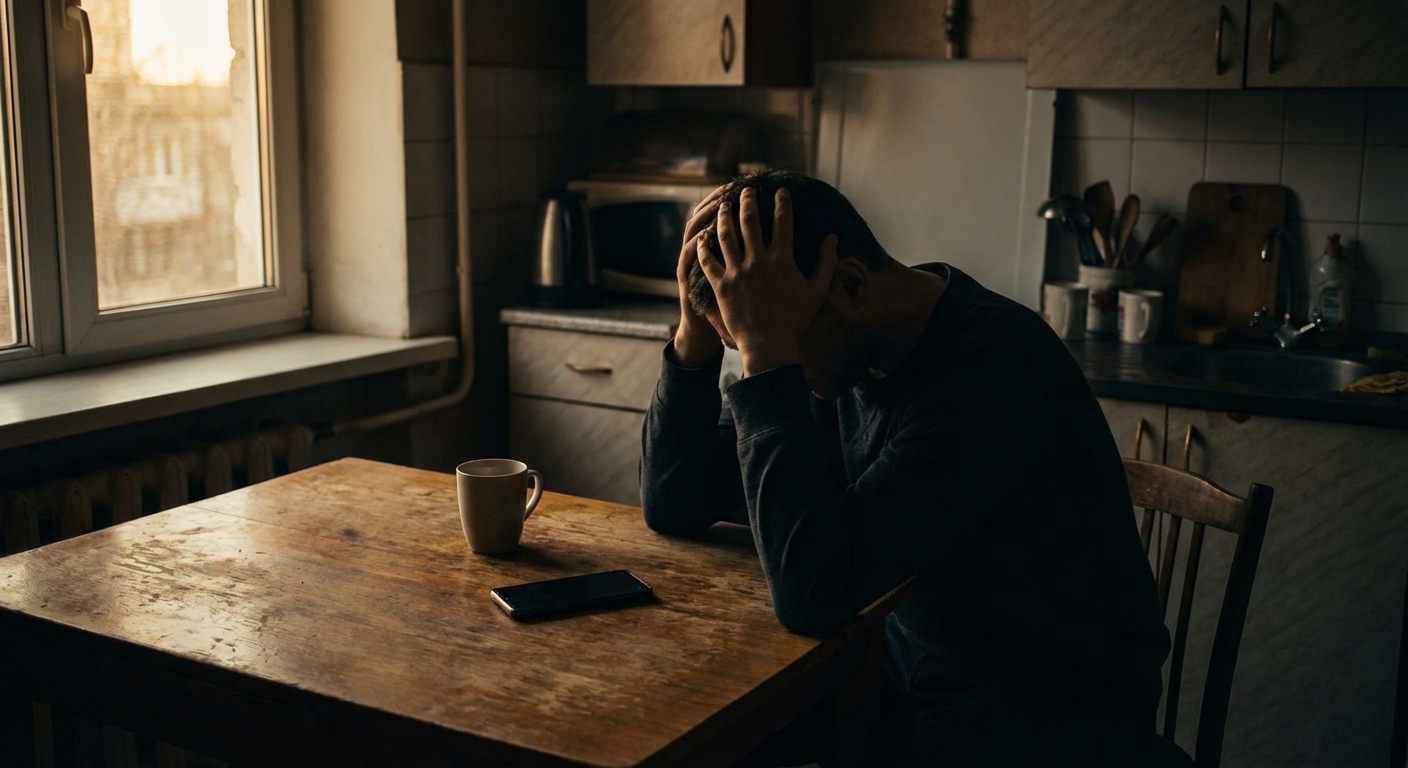
Actual Malice Standard: How Public Figure Status Affects Your Case
Public figures face a higher bar for defamation claims. Learn the actual malice standard, who qualifies as a public figure, and strategies for meeting this burden.

Defamation is a legal quagmire that many navigate with trepidation, often under the public eye’s harsh glare. Consider Sarah, a rising author who finds herself embroiled in a defamation lawsuit. A scathing online review calls her character into question, alleging plagiarism without evidence. As her reputation teeters, Sarah learns she is considered a “public figure” due to her burgeoning fame. This status not only alters her legal landscape but introduces the daunting “actual malice standard.” Understanding how public figure status affects defamation cases can be a key differentiator in successfully navigating these turbulent waters.
What is the Actual Malice Standard?
The actual malice standard is a legal threshold established in the landmark case of New York Times Co. v. Sullivan (1964). This standard requires that a public figure plaintiff prove the defamatory statement was made with “knowledge that it was false or with reckless disregard of whether it was false or not.” This is a higher burden than the “negligence” standard typically applied to private individuals, who only need to show that the defendant failed to exercise reasonable care in ascertaining the truth.
The Origin and Purpose
The Supreme Court’s decision in Sullivan was motivated by a desire to preserve the freedom of the press—essential in a democracy—by protecting it from the chilling effect of defamation suits initiated by public officials. The Court recognized that robust debate on public issues should be uninhibited, even if it occasionally leads to false statements.
Application in Modern Contexts
In today’s digital era, where misinformation spreads rapidly, the actual malice standard remains crucial. A Pew Research Center study highlights that nearly half of U.S. adults have experienced online harassment, with a significant portion involving false information. This underscores the importance of a rigorous standard that balances protecting reputations with safeguarding free speech.
Who Qualifies as a Public Figure?
Understanding whether you are considered a public figure is pivotal, as it directly impacts the standard of proof you must meet in a defamation case. The law distinguishes between two primary types of public figures: general purpose and limited purpose.
General Purpose Public Figures
Individuals who have achieved pervasive fame or notoriety are considered general purpose public figures. These are celebrities or individuals with such a high level of fame that they are household names. Examples include actors like Tom Hanks or athletes like Serena Williams. Their influence and access to media channels justify the higher burden of the actual malice standard.
Limited Purpose Public Figures
More common in defamation cases are limited purpose public figures, who have thrust themselves to the forefront of particular public controversies to influence the outcome. For instance, consider a community activist leading a campaign against local environmental degradation. While not a celebrity, their active participation in a public issue can elevate their status to a public figure for matters related to that controversy.
Case Study: The Local Business Owner
Imagine David, a local business owner who took a public stance against a new city ordinance. His vocal opposition and media appearances elevate him to a limited purpose public figure concerning issues related to the ordinance. If defamed regarding this topic, David must prove actual malice, unlike if the defamation concerned his private life.
Tired of fighting a system designed to ignore you? Our professional team handles Tea App post removal every day. We know what works. Get a free case review now.
Meeting the Actual Malice Burden of Proof
Proving actual malice is notoriously challenging. It requires evidence that the defendant knew the statement was false or acted with reckless disregard for the truth. This often involves delving into the defendant’s state of mind, which can be obscure and difficult to prove.
Gathering Evidence
To meet this burden, meticulous evidence gathering is crucial. Plaintiffs often rely on:
- Documentation: Emails, texts, or other communications that show the defendant knew the information was false.
- Witness Testimony: Statements from individuals who can attest to the defendant’s knowledge or recklessness.
- Defendant’s Admissions: Any acknowledgment by the defendant of their awareness of the falsehood.
Strategies for Success
Hiring experienced legal counsel is essential. Lawyers can subpoena records, interview witnesses, and craft a compelling narrative. Additionally, plaintiffs should consider professional services specializing in online defamation to assist in removal of harmful content while legal proceedings unfold.
Defamation in the Age of Social Media
Social media platforms amplify both the reach and the speed at which defamatory content spreads. A single tweet can damage a reputation worldwide in minutes. Understanding platform policies and legal options is critical for public figures facing defamation online.
Platform Policies and Removals
Each platform has its community guidelines. For instance, Facebook’s Community Standards prohibit defamation and harassment. Familiarity with these policies allows public figures to swiftly report and potentially remove harmful content.
Legal Recourse and Removal
Public figures can pursue legal action, but should also consider swift removal options. Emergency Tea App removal services can mitigate damage by taking down defamatory posts rapidly. These steps, combined with legal action, create a comprehensive defense against defamation.
⚠️ Facing defamation threats? Swift action is crucial. Begin your removal process today.
Every day you wait, the damage gets harder to undo. Don’t let false posts control your life. Talk to our team today — the consultation is free.
Real-World Examples of Public Figure Defamation
Examining real-world cases provides insights into how the actual malice standard is applied and the challenges public figures face.
Case Study: The Journalist’s Battle
Consider the case of journalist Jane Doe, who publicly accused a corporation of unethical practices. In retaliation, the company launched a smear campaign against her. As a limited purpose public figure in this context, Jane had to prove actual malice. Through persistent legal strategy and evidence, she demonstrated the company’s knowledge of falsity, ultimately prevailing in court.
Lessons Learned
The Jane Doe case highlights the importance of thorough preparation, steadfastness in gathering evidence, and leveraging media channels to correct false narratives. Public figures must remain vigilant and proactive in protecting their reputations.
Defamation Defense: Crafting Your Strategy
Public figures have unique considerations in defamation defense. Understanding your status and the applicable legal standards is the first step in crafting a robust defense strategy.
Legal Counsel and Action Plans
Engaging a lawyer skilled in defamation law is essential. They can offer tailored advice, whether it involves filing a John Doe lawsuit to identify anonymous defamers or issuing cease and desist letters to halt ongoing defamation.
Public Relations and Reputation Management
Beyond legal strategies, public relations play a crucial role. Counteracting defamation with positive press and leveraging media relations can change the narrative. Engaging reputation management experts ensures a comprehensive approach to preserving your public image.
Ready to start? Our team has helped hundreds of people remove false Tea App posts and take back their reputation. As seen on Mashable, 404 Media, and InsideHook. Submit your case for a free review.
Conclusion: Navigating the Path Ahead
Defamation law, particularly for public figures, presents a complex landscape. Understanding the nuances of the actual malice standard, recognizing your public figure status, and employing strategic legal and public relations tactics are essential. As you navigate these challenges, remember that help is available. Professional services can aid in news article removal and other online defamation issues, offering you a path to reclaim your reputation and peace of mind.
Disclaimer: Tea App Green Flags is not a law firm and does not provide legal advice. The information on this page is for general informational purposes only and should not be construed as legal counsel. Tea App Green Flags provides professional defamation removal and reputation management consultation services. For legal advice regarding your specific situation, please consult a licensed attorney in your jurisdiction. Results vary by case; removal timelines are estimates and not guarantees.
Public Figure Dealing With Defamation?
Get Professional Help NowLegal Team
VerifiedContent reviewed by reputation management professionals with 5+ years of experience.
Related Articles
How to Prove Defamation: A Complete Guide to the 4 Elements
Mar 10, 2026
AWDTSG Lawsuits and Anti-SLAPP: What Victims Should Know
Feb 6, 2026
Your Child Was Posted on Tea App: A Parent's Guide
Feb 6, 2026